Are Smart Locks Safe? A Comprehensive Guide to Their Security Features_复制
As smart homes become more popular, smart locks are quickly replacing traditional key locks in many households. They offer convenient access, remote control, and seamless integration with other home automation systems. However, with digital convenience comes a common question from homeowners: Are smart locks truly safe? To answer this, it’s important to understand how they work and what security features they offer.
How Smart Locks Work: A Quick Overview
A smart lock functions as a digital version of a traditional door lock but with added connectivity and control. Most models connect through Bluetooth, Wi-Fi, or Zigbee, allowing users to lock and unlock doors using smartphones, PIN codes, or even fingerprints. Many smart locks can also sync with voice assistants such as Alexa, Google Home, or Apple HomeKit, offering hands-free access and monitoring.
This combination of hardware and software allows homeowners to manage access remotely and receive notifications in real time. However, it also means that smart locks depend on secure digital communication to keep your home safe.
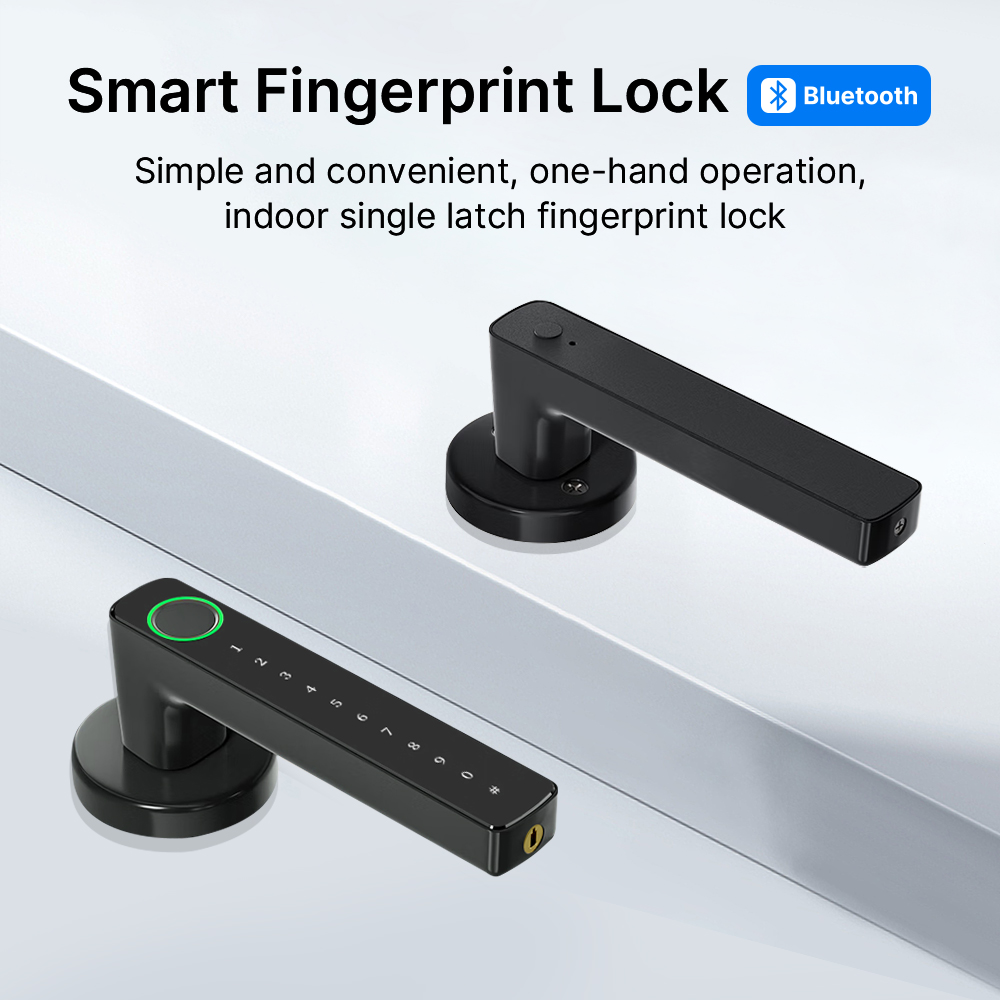
Key Security Features of Smart Locks
1. Encryption and Data Protection
One of the most important security features in smart locks is data encryption. Most reputable models use AES or similar encryption standards to protect communication between the lock and the connected device. This means even if a hacker intercepts the signal, the data is unreadable. Encryption ensures that digital access codes or mobile commands remain private and secure.
2. Multi-Factor Authentication
Another critical layer of protection is multi-factor authentication (MFA). Instead of relying on a single password, MFA may require a PIN code, fingerprint, or smartphone verification before unlocking the door. This reduces the risk of unauthorized entry if one method is compromised. It’s a level of security that traditional mechanical locks simply can’t match.
3. Auto-Locking and Real-Time Alerts
Modern smart locks are also designed to minimize human error. The auto-locking function automatically secures the door after a set period, preventing situations where someone forgets to lock up. In addition, most smart locks provide real-time alerts through a mobile app, notifying you when the door is locked, unlocked, or tampered with. These alerts help homeowners stay informed about every entry or exit, even when they’re away.
4. Tamper Detection and Alarm Systems
Many high-quality smart locks include built-in sensors to detect forced entry attempts or unusual activity. If someone tries to break in, the system can trigger a loud alarm or send an instant notification to your smartphone. Some models can even integrate with home surveillance systems, activating cameras or sirens for enhanced protection.
Common Security Risks and How to Prevent Them
1. Hacking and Software Vulnerabilities
Like any connected device, smart locks can be vulnerable if the software is not properly maintained. Cyberattacks often target outdated firmware or weak network security. To prevent this, homeowners should regularly update the lock’s firmware and use a strong Wi-Fi password. Choosing a smart lock from a trusted manufacturer that provides continuous software support is equally important.
2. Power or Connectivity Failures
Because smart locks depend on electricity and wireless connections, power outages or network failures can temporarily disrupt operation. Fortunately, most smart locks come with built-in batteries and backup access methods such as mechanical keys. Some models also send low-battery warnings in advance to prevent lockouts.
3. Human Error and Access Mismanagement
Even the most advanced smart lock can be compromised by simple mistakes, such as sharing access codes carelessly. To avoid this, users should assign unique digital keys to each family member or guest and revoke them after use. Managing permissions through the mobile app helps maintain full control over who can access the home.
How Smart Locks Compare to Traditional Locks
While traditional locks have been reliable for decades, they rely solely on physical security. In contrast, smart locks combine mechanical strength with digital intelligence. They provide remote access, activity monitoring, and customizable control that traditional locks can’t offer. However, they do require responsible usage and secure digital management to maintain safety. For most modern households, smart locks offer a balanced mix of convenience and protection.
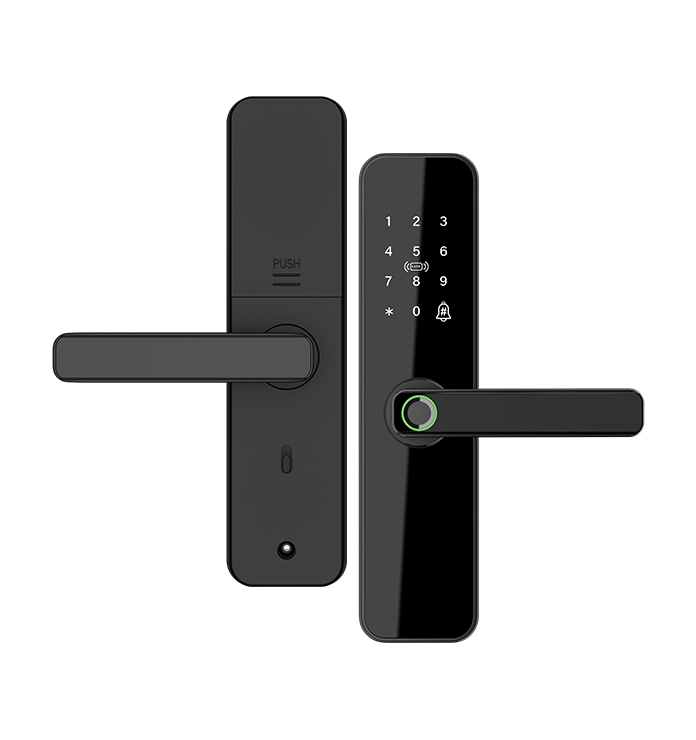
Choosing a Secure Smart Lock: What to Look For
When selecting a smart lock, security certification is a good place to start. Look for products that meet ANSI/BHMA or UL 294 standards, as they guarantee mechanical and digital safety. Compatibility with your home automation system is also important, ensuring smooth integration with other smart devices. Finally, choose a Smart Locks manufacturer with a solid reputation for reliability, encryption standards, and regular security updates.
Conclusion: Balancing Innovation and Security
Smart locks represent a major step forward in home security, offering both convenience and control. When properly installed, regularly updated, and used responsibly, they are as safe—if not safer—than traditional locks. The key is to combine good security habits with trusted technology.
If you’re considering upgrading your home with secure and innovative access control, Hidin Tech offers professional smart home solutions designed for modern living. As a reliable smart locks manufacturer, Hidin Tech provides high-quality products that combine intelligent design, robust encryption, and user-friendly operation to keep your home both smart and safe.

 Smart Switch
 Smart Plug & Socket
 Smart Door Lock
 Motorized Curtain
 Smart Thermostat
 Smart Sensor
 Gateway


