How Smart Gateways Connect Your Devices for Seamless Control
In today’s connected world, smart homes and offices are no longer futuristic ideas—they are everyday realities. From lights that turn on as you walk in the door to thermostats that learn your schedule, automation makes life easier and more efficient. At the heart of this seamless experience lies a crucial but often overlooked component: the smart gateway. This small device acts as the central hub that connects all your smart devices, enabling smooth communication and unified control. Without it, your smart home may struggle to function as one cohesive system.
What Is a Smart Gateway? Understanding the Core Technology
To understand how smart gateways work, it helps to think of them as translators and traffic controllers in your home network. While a regular Wi-Fi router connects your phone, laptop, and some smart devices to the internet, a smart gateway or IoT gateway device goes further. It supports multiple wireless protocols—such as Wi-Fi, Zigbee, and Z-Wave—that many smart devices use to communicate.
For example, your smart switch might use Zigbee for low-power, reliable connections, while your phone uses Wi-Fi. The smart gateway bridges these different languages, ensuring your app command to “turn off the lights” reaches the right device instantly. This ability to support various protocols makes the gateway essential for creating a truly integrated smart environment.
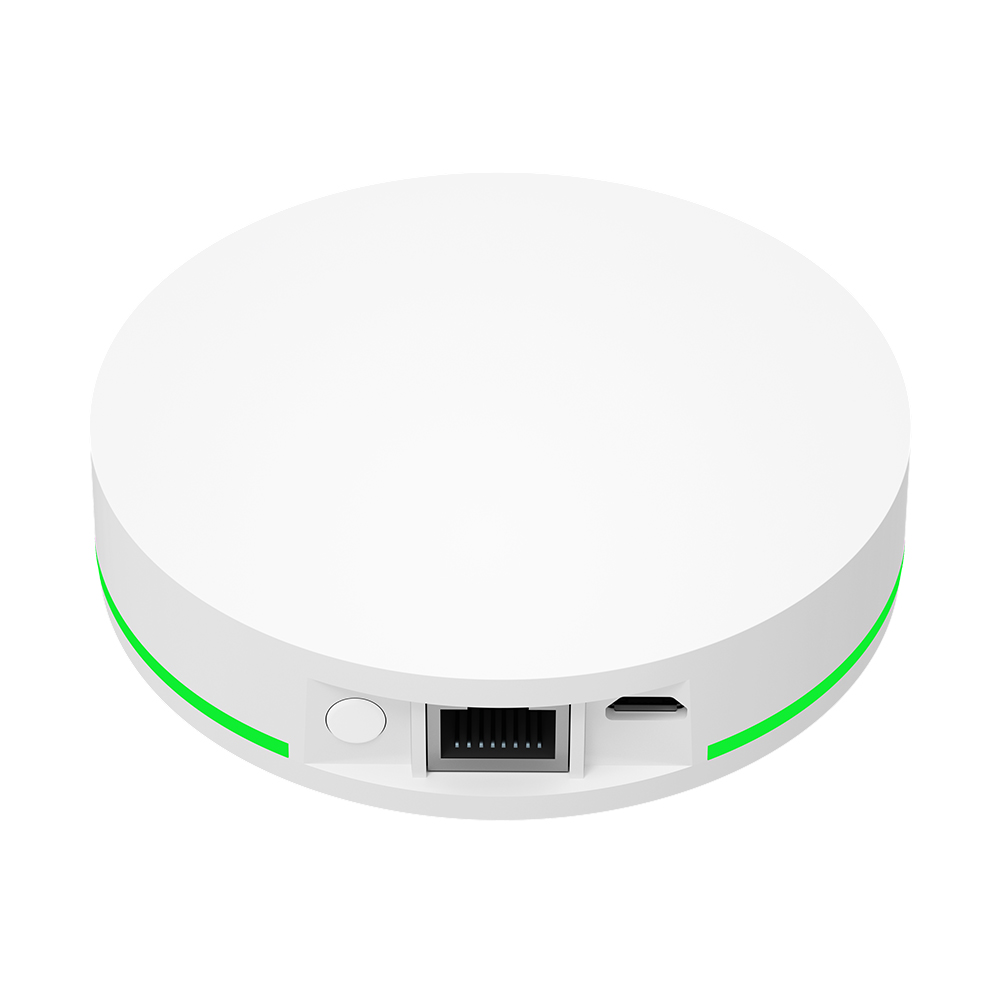
Why Gateway Setup Is Critical for Smart Device Integration
Before any smart device can be controlled remotely or through voice commands, it must first connect to the network—and that starts with gateway setup. This process typically involves linking the gateway (like a smart hub or router) to your home Wi-Fi and then pairing your devices, such as Iotics smart switches, through a mobile app.
A proper setup ensures stable connectivity and prevents issues like delayed responses or devices going offline. For instance, once your smart switches are paired with the gateway, you can control them from anywhere using your smartphone or ask a voice assistant like Alexa to turn them on. Skipping or rushing this step can lead to frustration later, so taking time to configure the gateway correctly is key to a smooth smart home experience.
Key Benefits of Using a Smart Gateway
Centralized Control & Unified Experience
One of the biggest advantages of a smart gateway is that it brings all your devices under one roof. Instead of using separate apps for lights, locks, and thermostats, you can manage everything from a single interface. This centralized control simplifies daily use and enhances convenience, especially when adding new devices over time.
Enhanced Automation & Smarter Routines
With a gateway, automation becomes powerful and flexible. You can create routines like “Good Morning,” which triggers blinds to open, coffee to brew, and lights to turn on at a set time. Or use motion sensors to activate lights only when someone enters a room. These features rely on the gateway to coordinate actions across multiple devices seamlessly.
Improved Network Performance & Stability
Smart gateways help reduce Wi-Fi congestion by handling low-bandwidth devices—like sensors and switches—through dedicated protocols like Zigbee. This keeps your main Wi-Fi free for streaming and browsing, while the gateway maintains a stable mesh network for your smart devices.
Stronger Security & Data Protection
Security is a top concern in any connected environment. Smart gateways address this by encrypting data, managing user access, and filtering traffic between devices and the cloud. Some even process data locally, reducing reliance on external servers and minimizing privacy risks.
Real-World Applications: From Homes to Offices
In practice, smart gateways transform both personal and professional spaces. In a smart home, imagine waking up to gradually brightening lights, a warm room temperature, and fresh coffee—all triggered automatically through the gateway. These small comforts add up to a more enjoyable daily routine.
In smart building automation, the impact is even greater. Office buildings use gateways to link HVAC systems, lighting, and security sensors. When a meeting starts, the system can adjust the room temperature, turn on lights, and activate video conferencing—without anyone lifting a finger. This not only improves comfort but also reduces energy waste and operational costs.
For businesses, solutions like the Inspinia Mini Server serve as powerful IoT gateways, offering scalability and enterprise-grade security. These platforms allow facility managers to monitor and control large networks of devices efficiently, making them ideal for modern workplaces.

Choosing the Right Gateway: What to Look For
Not all gateways are the same, so choosing the right one matters. First, check which communication protocols it supports—Wi-Fi alone isn’t enough if your devices use Zigbee or Z-Wave. Next, consider scalability: can it handle 20, 50, or even 100 devices without slowing down?
Security features like encryption and regular firmware updates are also essential. Finally, look for ease of use—clear setup instructions, a user-friendly app, and good customer support can make a big difference, especially for first-time users. Whether you're a homeowner or a business manager, selecting the right gateway ensures your smart ecosystem runs smoothly from day one.
Troubleshooting Common Gateway Issues
Even with a solid setup, problems can occur. If devices stop responding, start by checking the gateway’s power and internet connection. Rebooting the device often resolves temporary glitches. If pairing fails, ensure the smart switch or sensor is in setup mode and within range.
Interference from thick walls or other electronics can also weaken signals. In such cases, relocating the gateway or adding a signal extender may help. For critical systems, using an Ethernet cable instead of Wi-Fi can provide a more stable connection.
Conclusion: Build a Smarter, More Connected Future
A well-configured smart gateway is not just a technical detail—it’s the foundation of a responsive, secure, and intelligent environment. Whether you’re automating a single room or managing an entire office building, the gateway ensures all your devices work together seamlessly.
By investing in the right setup and understanding its role, you unlock the full potential of smart technology. For those seeking reliable, scalable solutions, products like the Inspinia Mini Server offer a professional-grade option that grows with your needs.

 Smart Switch
 Smart Plug & Socket
 Smart Door Lock
 Motorized Curtain
 Smart Thermostat
 Smart Sensor
 Gateway


